

Should You Put a Video on Your Homepage?
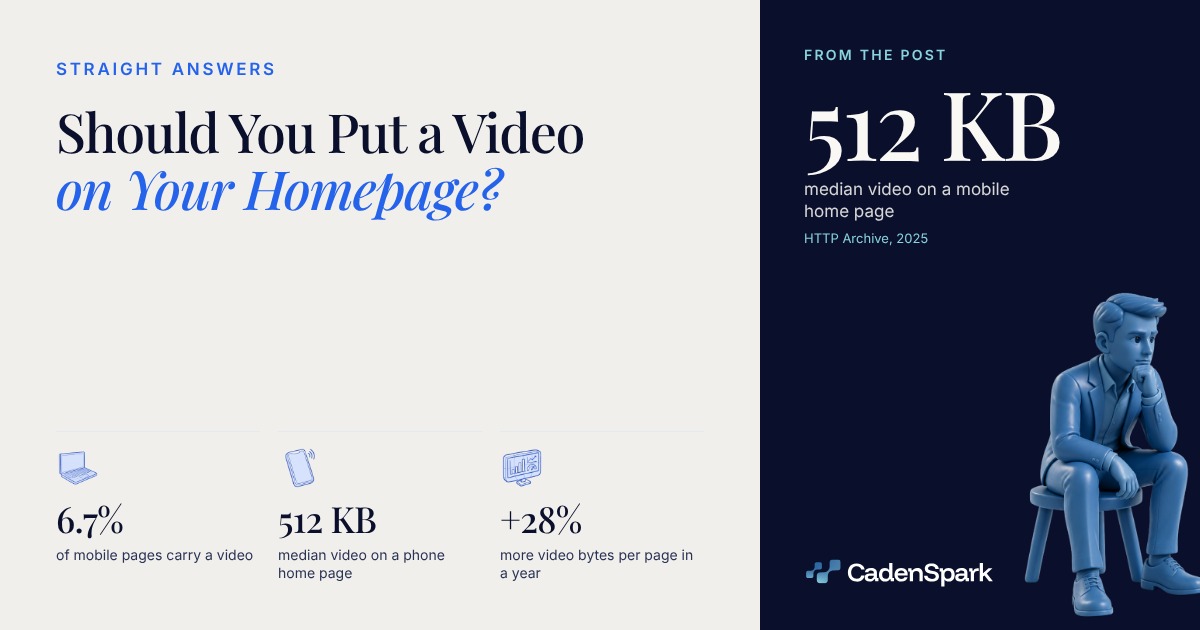
Only if it is short, muted and late to load. Among pages that have video, the median mobile home page ships 512 KB of it, double an inner page.
Read →The Growth Flywheel
Every stage, tuned.
Ten services, one engine underneath. Each one moves a stage of your business.
All servicesCreative studio
Made to be seen. Built to sell.
Sites, films, ads and apps, every one connected to the systems that turn attention into customers.
See the casesDirect answers for people who run the place. Every number with its source, sample and year, and when it’s a calculation and not a measurement, we say so before you ask.
Only if it is short, muted and late to load. Among pages that have video, the median mobile home page ships 512 KB of it, double an inner page.
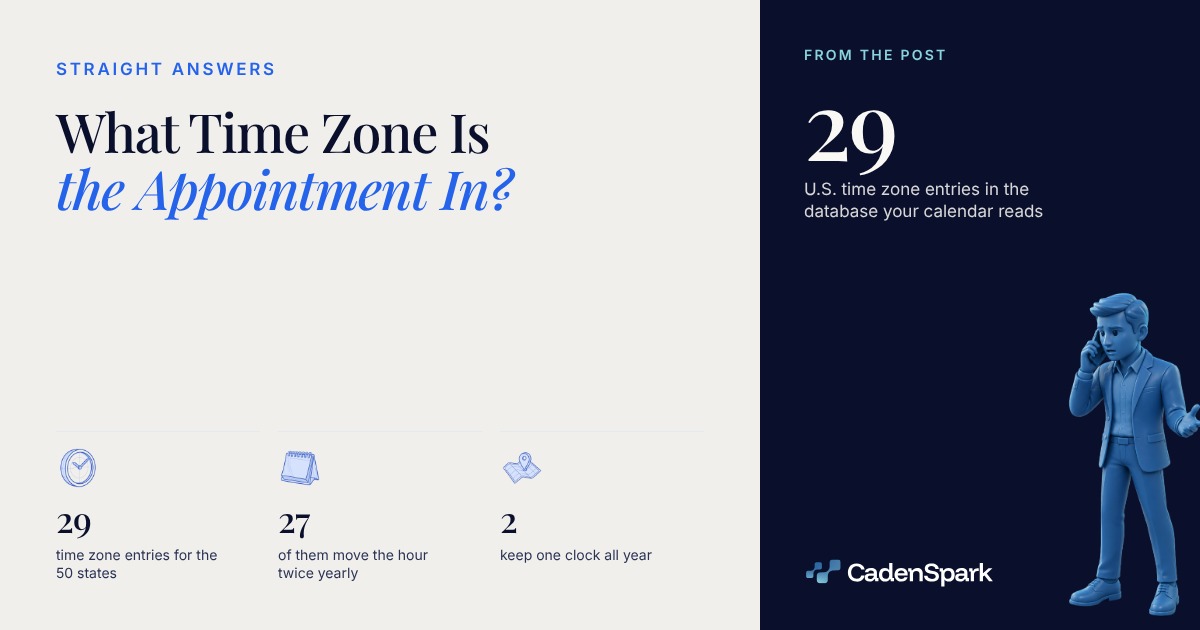
Read →Whatever your calendar stored with it. The database your phone reads lists 29 U.S. time zone entries: 27 move an hour twice a year, 2 never do.
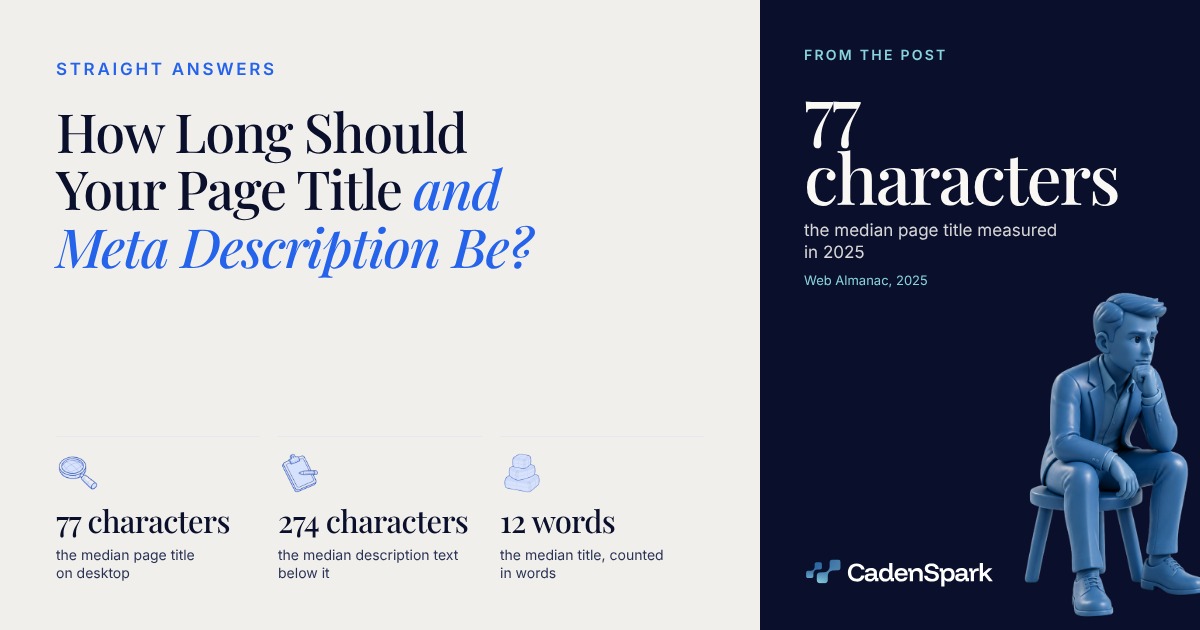
Read →No limit is published. The pages measured in the July 2025 crawl ran a median page title of 77 characters and a median description of 274 under it.
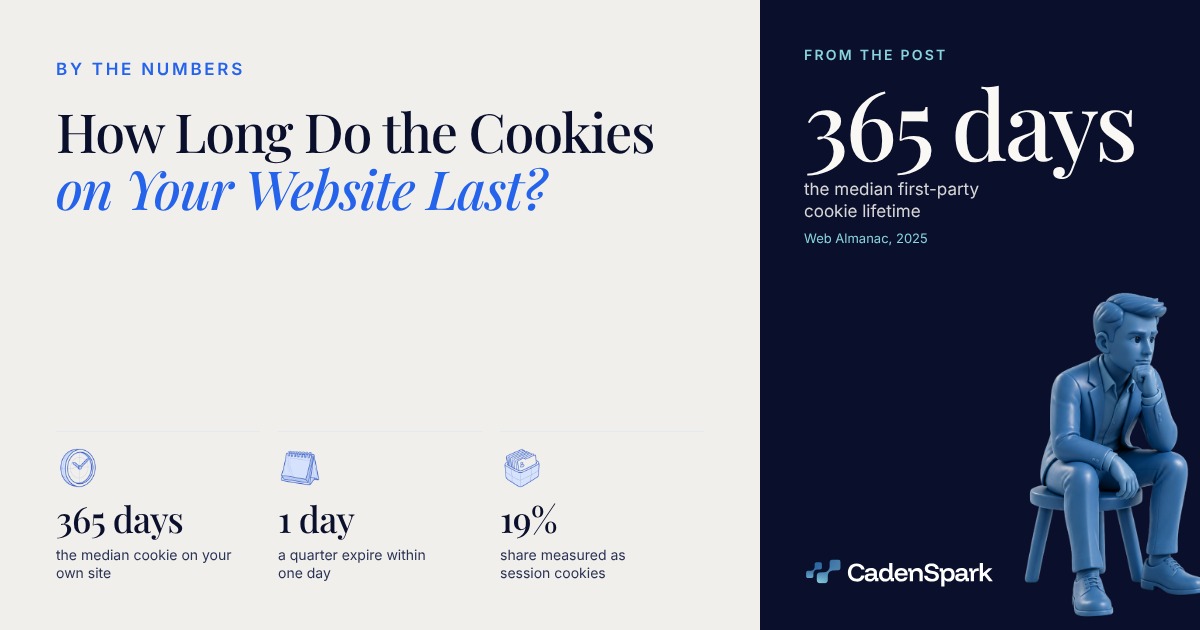
Read →About a year. The median first-party cookie measured on the top million sites expires 365 days out, and a quarter of them are gone within a day.
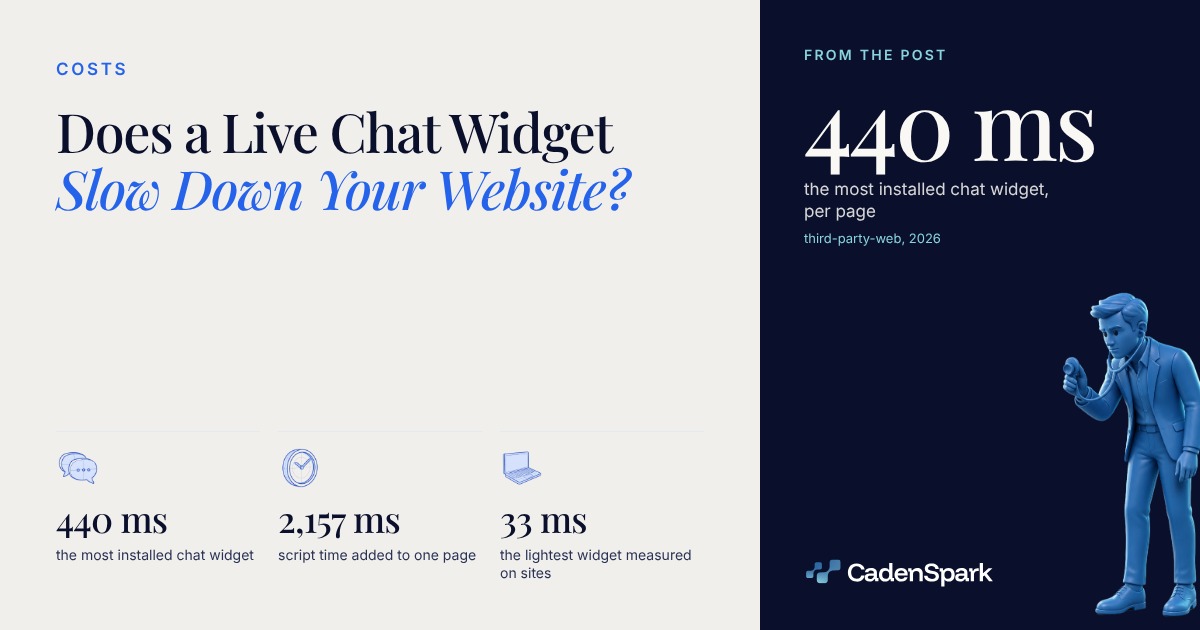
Read →Yes. The chat widgets measured in the mobile crawl average between 33 ms and 3,089 ms of script time per page, so which one you install is the decision.
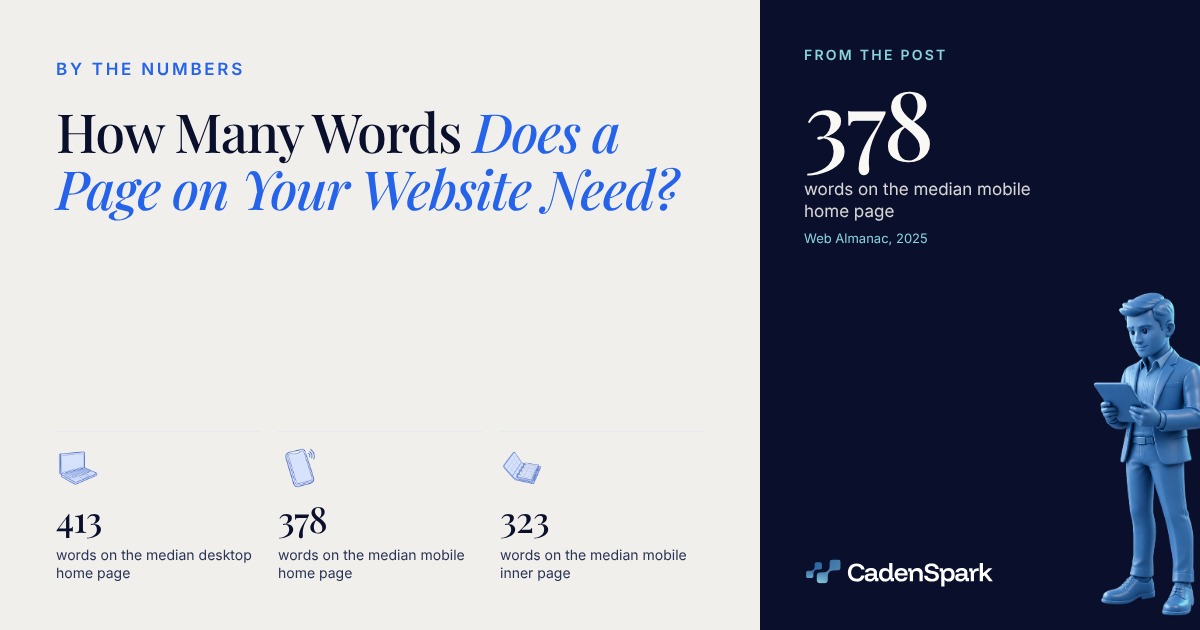
Read →There is no required word count. The median home page measured in 2025 rendered 378 words on mobile and 413 on desktop. Inner pages ran shorter.
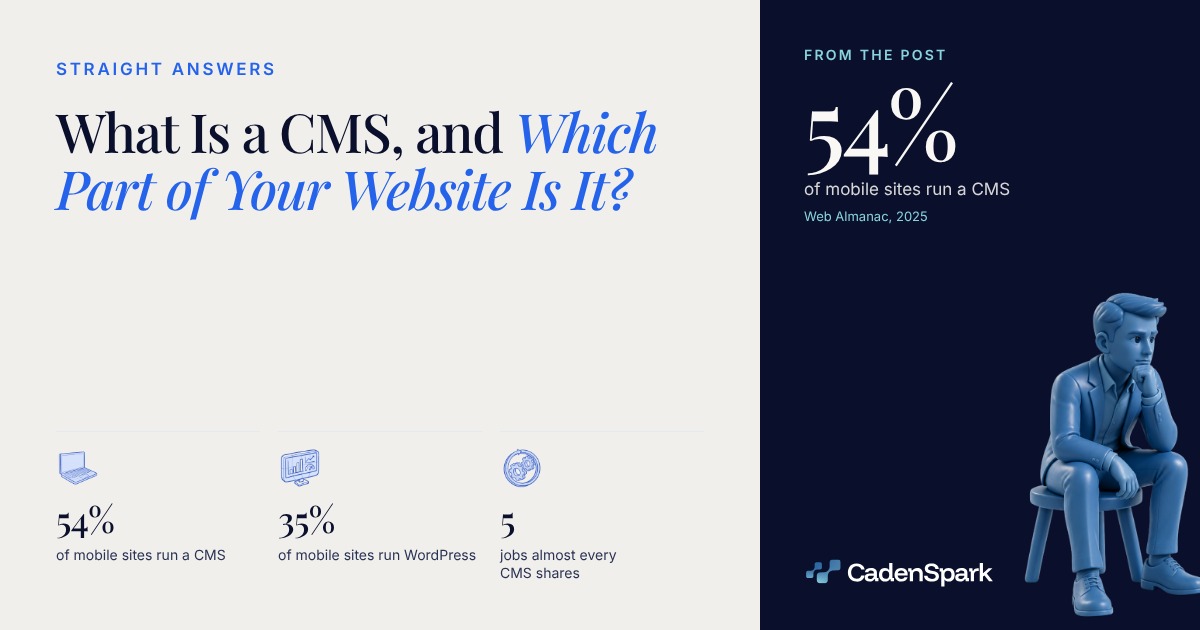
Read →A CMS stores your site content and lets you update it without code. 54% of mobile sites run one, 35% run WordPress, and the layout sits on top of it.
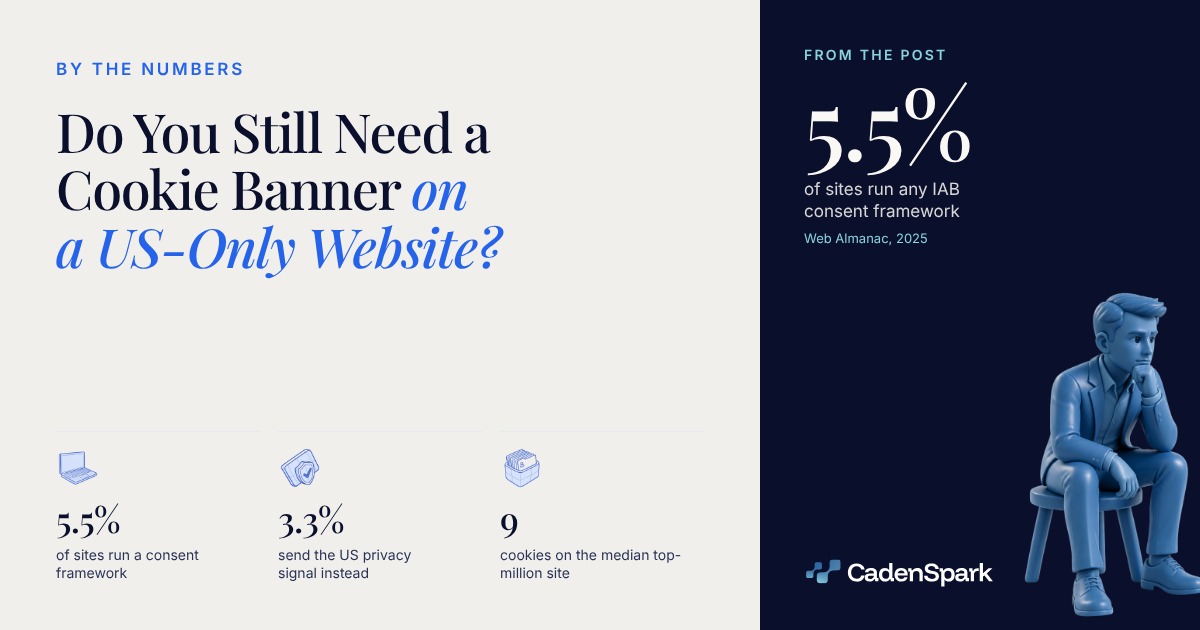
Read →What the measured web shows: the ad industry’s consent plumbing runs on 5.5% of sites, the US privacy signal on 3.3%, and the median site sets 9 cookies.
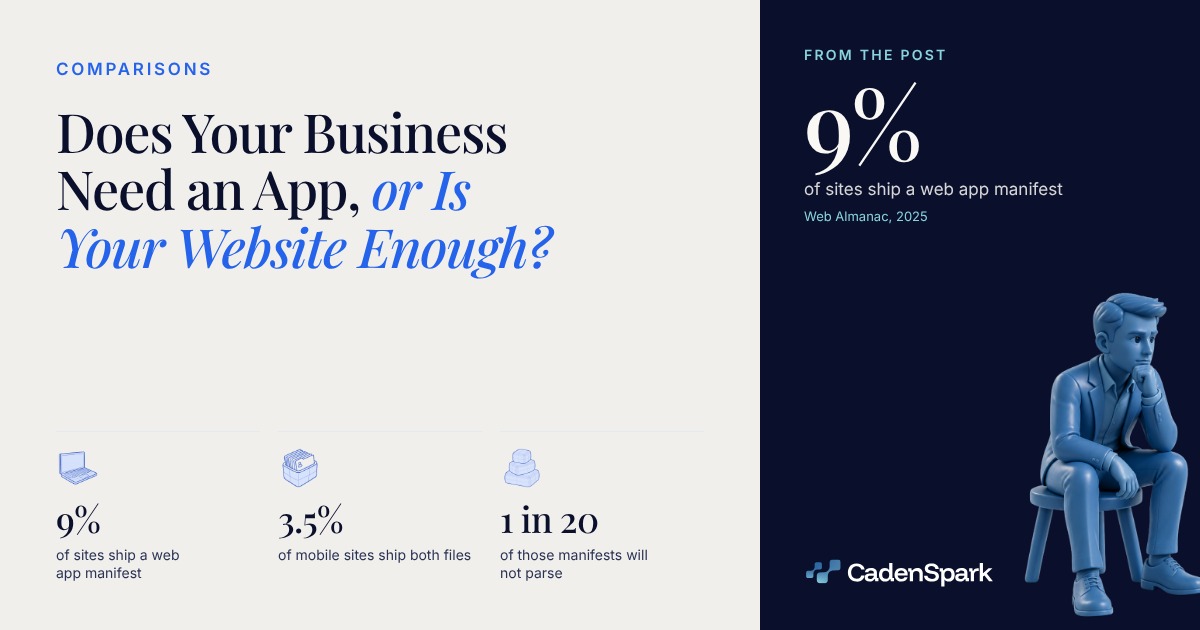
Read →Almost always the website is enough. About one site in ten already ships the file that lets a browser offer to install it. What that actually buys you.
Read →Maybe not. Only 24% of pages likely have a skip link and 59% of mobile sites pass the heading-order check. How to test yours with the Tab key.
Read →No, unless you tell it. Google’s API treats every location as open by default, holiday hours sit in a separate field, and customers can see another version.
Read →Yes for most jobs, but the ceiling is not your call. California caps a home improvement deposit at $1,000 or 10%, and other states set their own.
Read →The stars next to a local business in search are not your markup. Which reviews Google can show, which it ignores, and why yours disappeared.
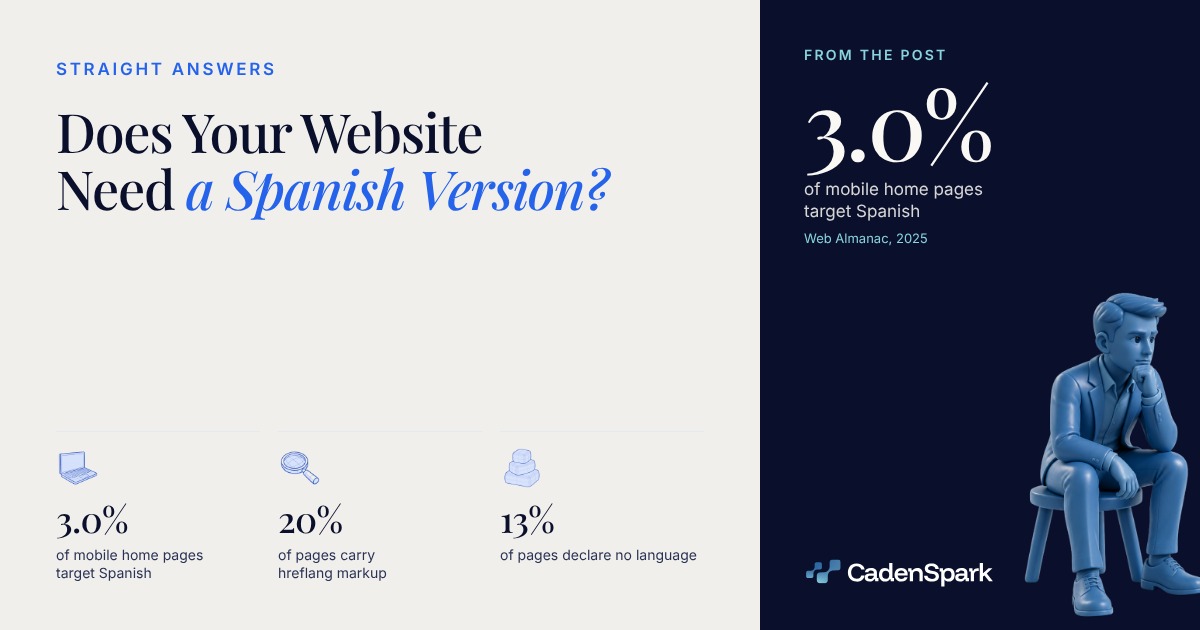
Read →Only 3.0% of mobile home pages point at a Spanish version. What the measured web shows about second languages, and what to check before translating.
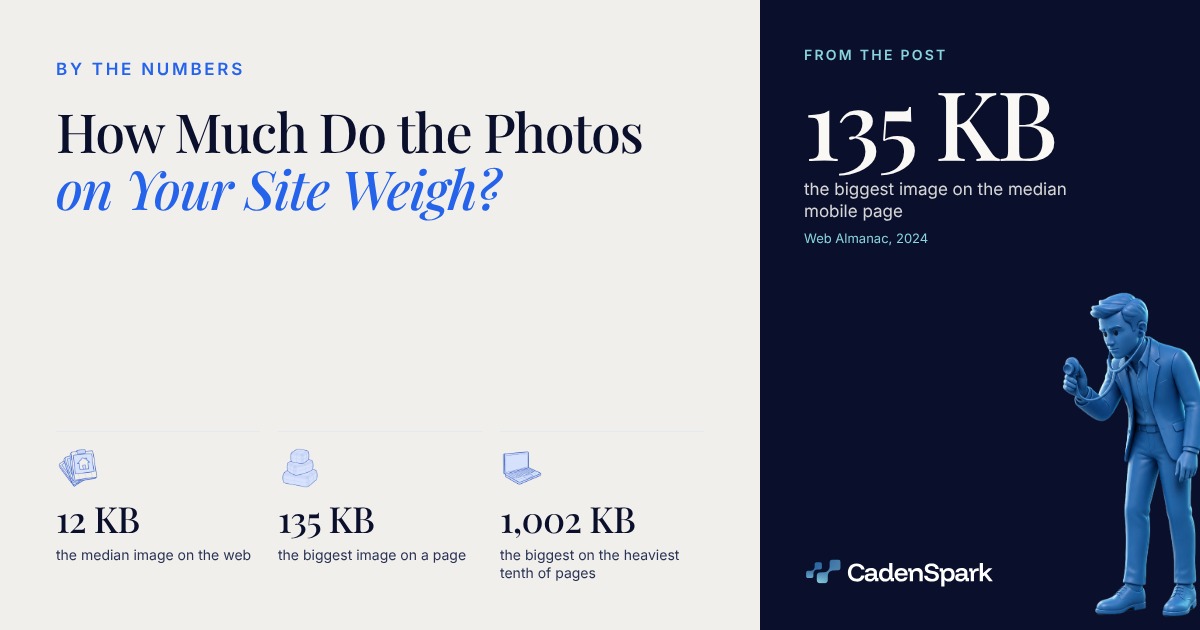
Read →The median mobile homepage loads 900 KB of images, and one photo of 135 KB. What the web really weighs, and what to do with your job photos.
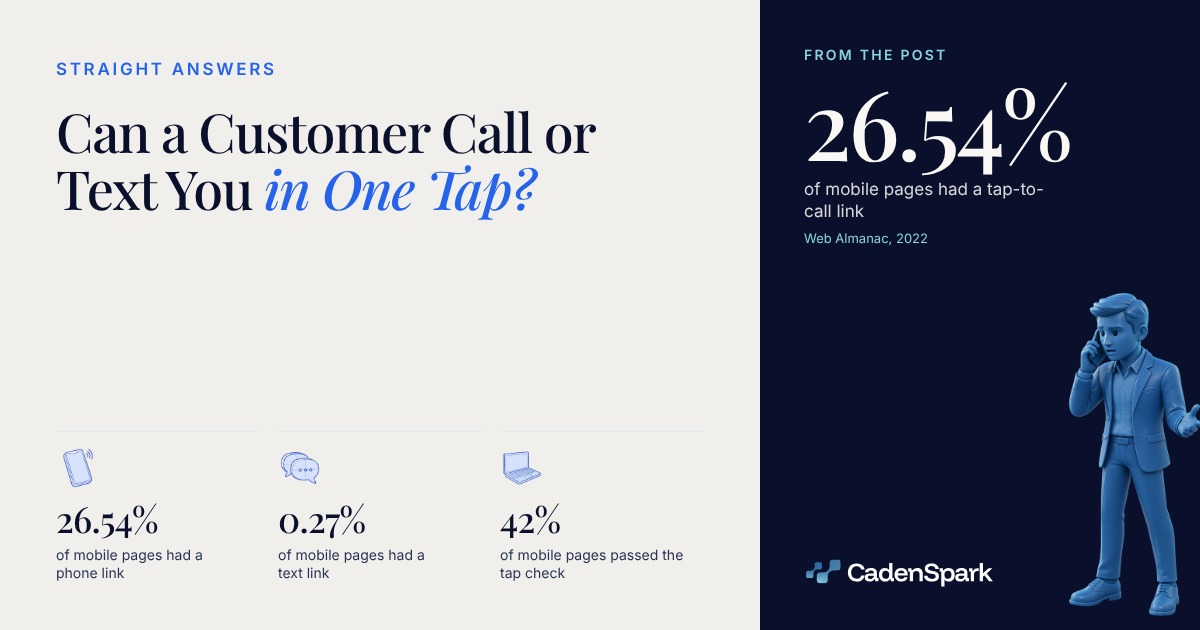
Read →Only if the link is there. A tap-to-call link sat on 26.54% of mobile pages and a tap-to-text link on 0.27%, the last time the web was measured.
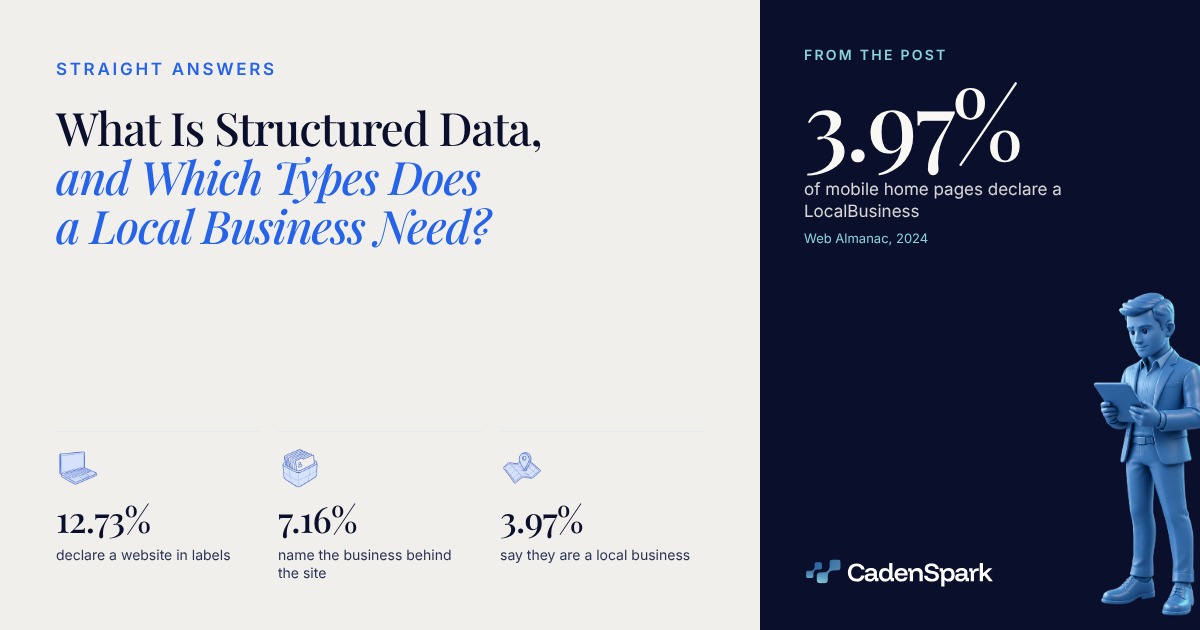
Read →Structured data is a labeled copy of your page that machines read. Only 3.97% of mobile home pages declare a LocalBusiness (Web Almanac, 2024).
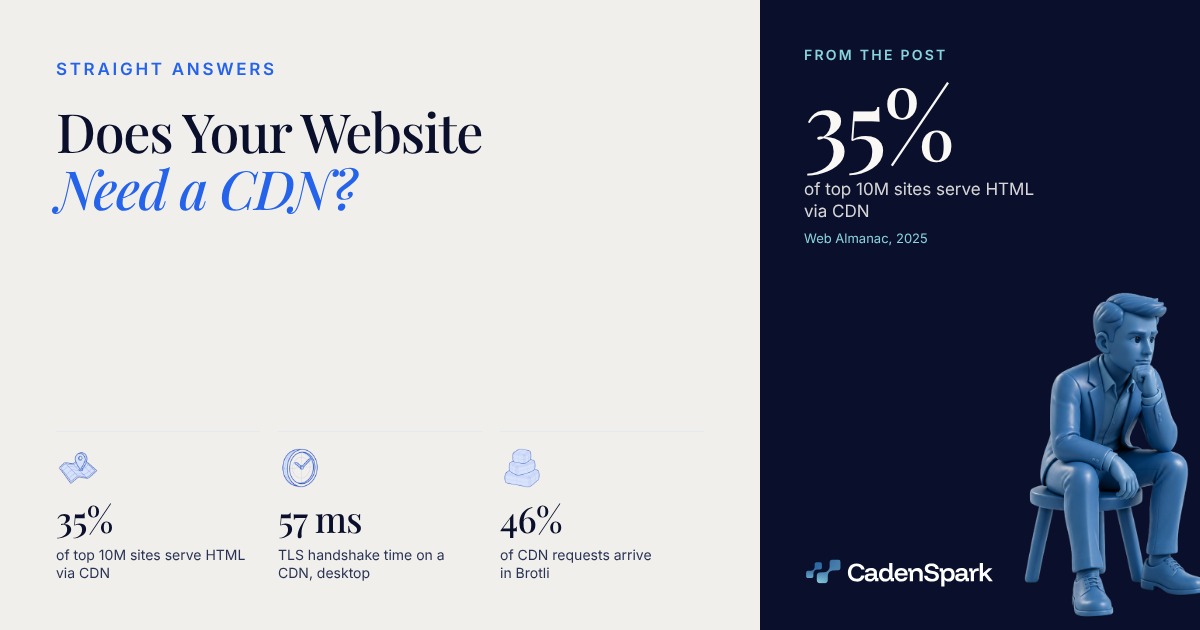
Read →Among the top 10 million sites, 35% serve their HTML through a CDN, against 71% of the top 1,000. What a CDN measurably changes, and what it does not.
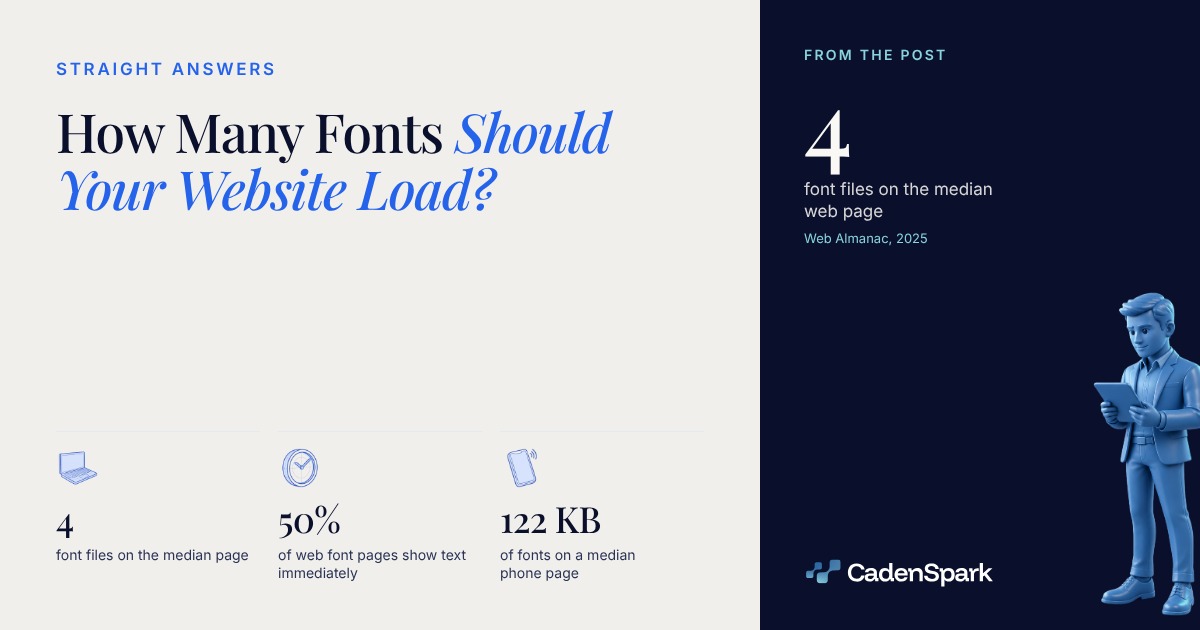
Read →The median web page loads 4 font files and ships 122 KB of fonts on a phone. What that costs, what it does not, and the three fixes worth doing.
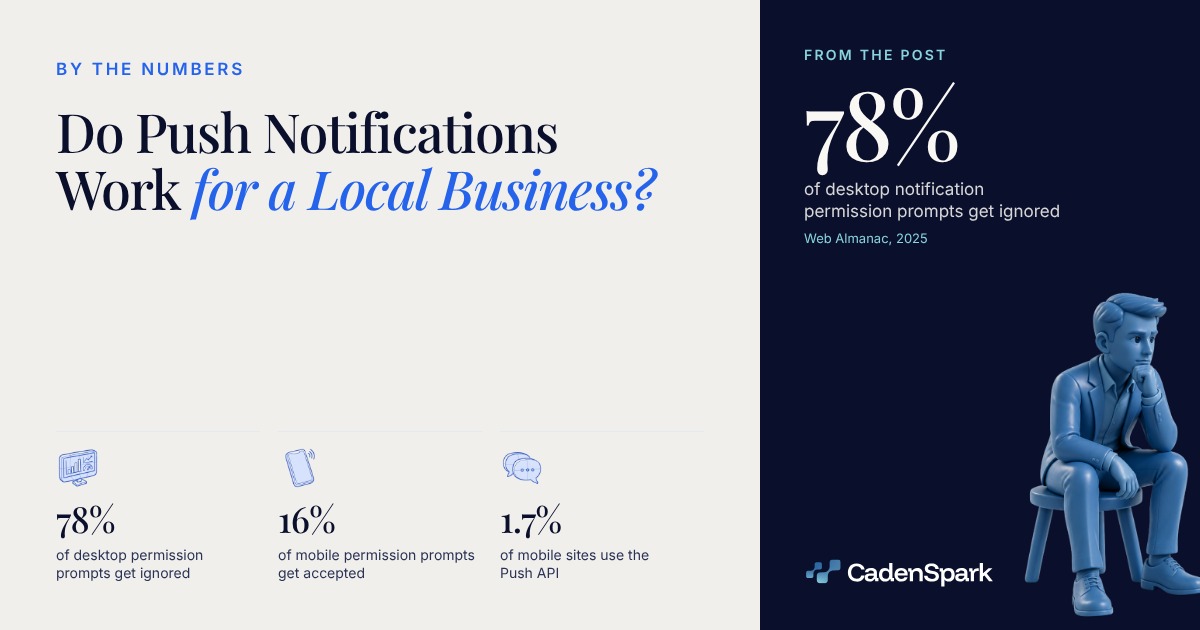
Read →Rarely. On sites that can send them, 78% of desktop permission prompts get ignored and 6% get accepted. What the measured web says, and when to ask.
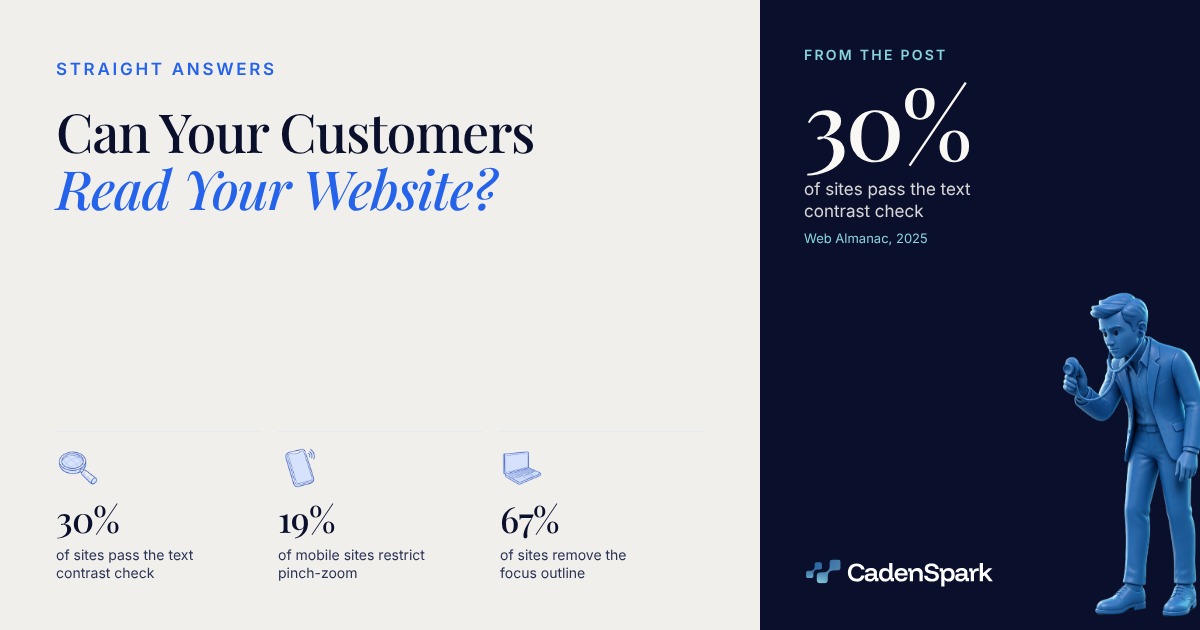
Read →Only 30% of sites pass the minimum text contrast check and 19% of mobile sites restrict pinch-zoom. What that means for yours, and what to check.
Read →Asked straight, most customers say yes. But the comparison that matters is not AI versus a person: it is AI versus voicemail. What the surveys measured.
Read →Rarely, and almost nobody reaches a local business that way yet. What two measured studies actually show, and the work that moves local search.
Read →No. A payment page is not a store: four out of five sites run no store platform, and the people who measure the web say non-store sites take payments too.
Read →Yes, for the work you can name, price and time without seeing it. Everything else takes a request, not a slot. What the measured evidence shows.
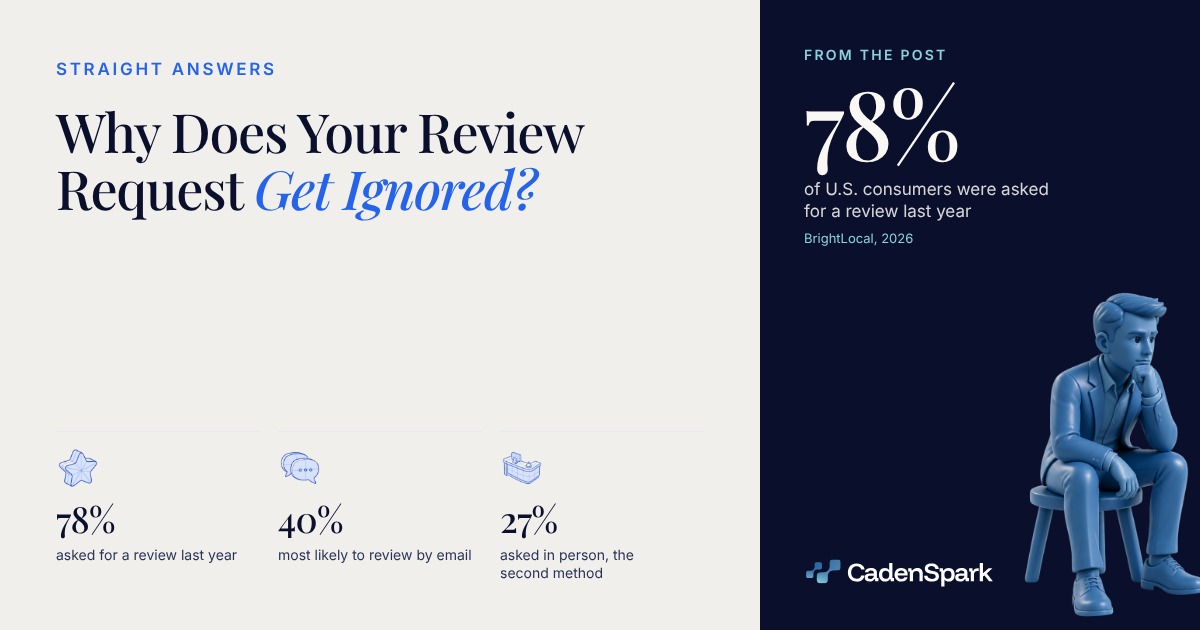
Read →Most review requests were never sent, or landed where nobody replies. What the data says about who gets asked, which channel wins, and Google’s rules.
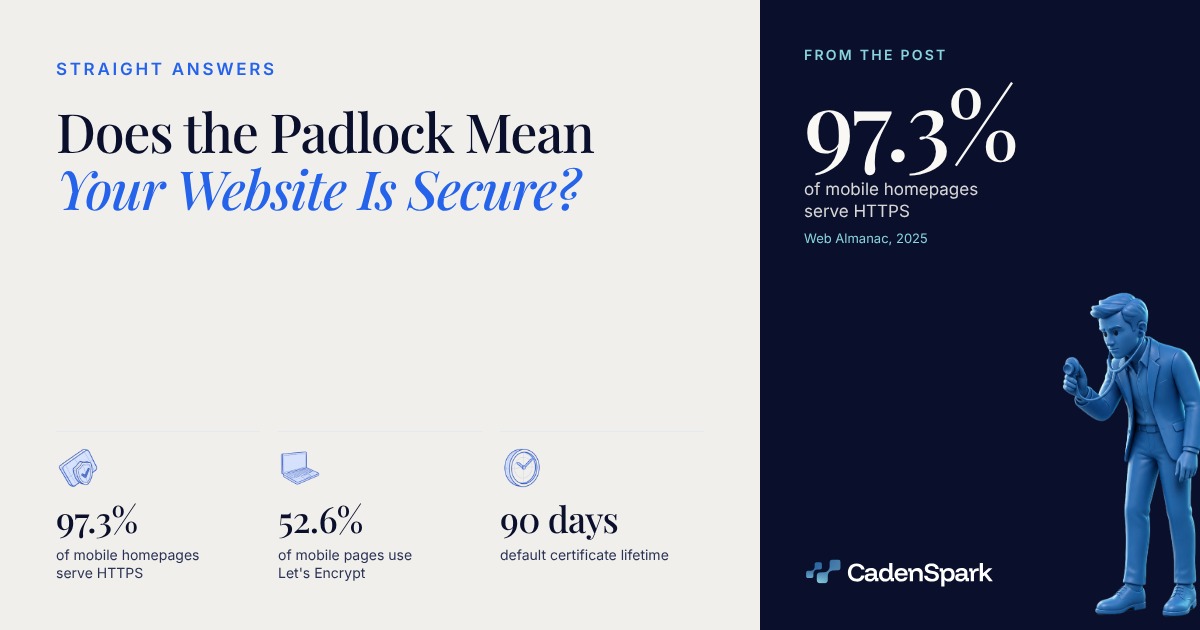
Read →The padlock proves one thing: the connection is encrypted. What it does not prove, what the certificate costs, and why it expires every 90 days.
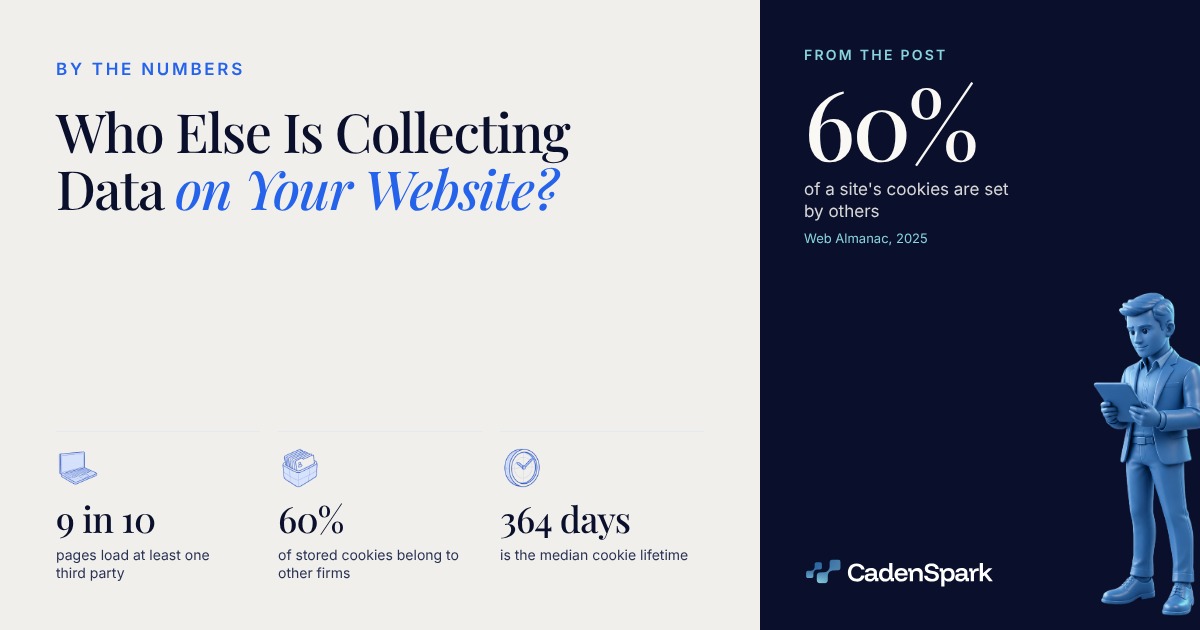
Read →More companies than you installed. Nine in ten pages load at least one third party, and about 60% of a site’s cookies are set by someone else.
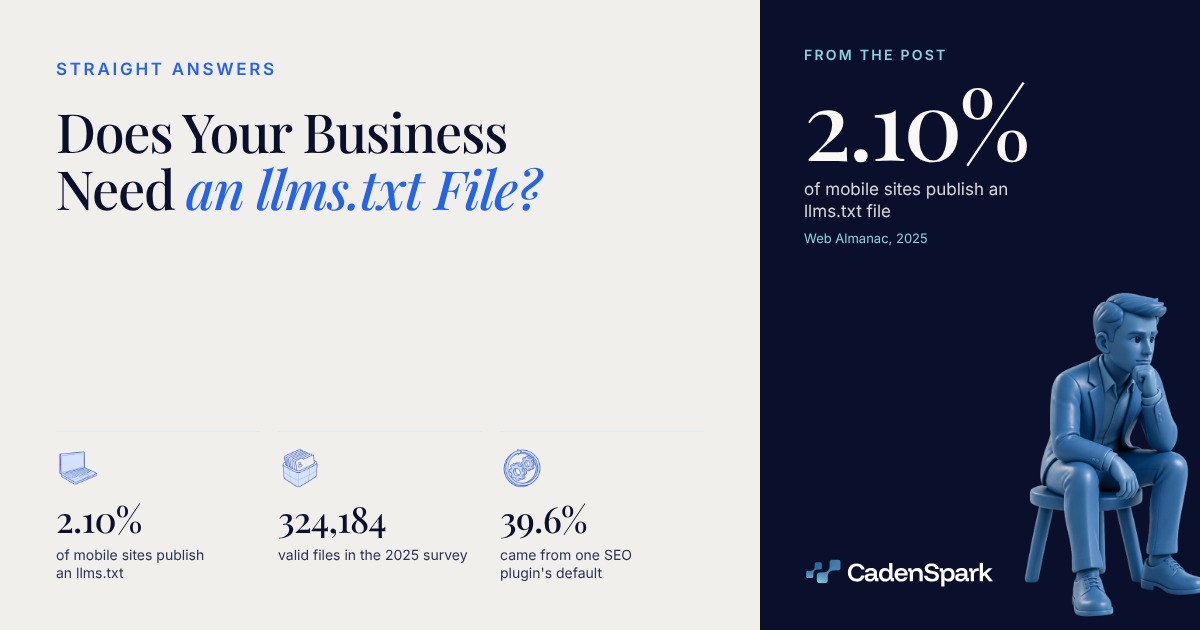
Read →Probably not. Only 2.10% of mobile sites publish one, 39.6% of those came from an SEO plugin, and no Google service uses it (Web Almanac, 2025).
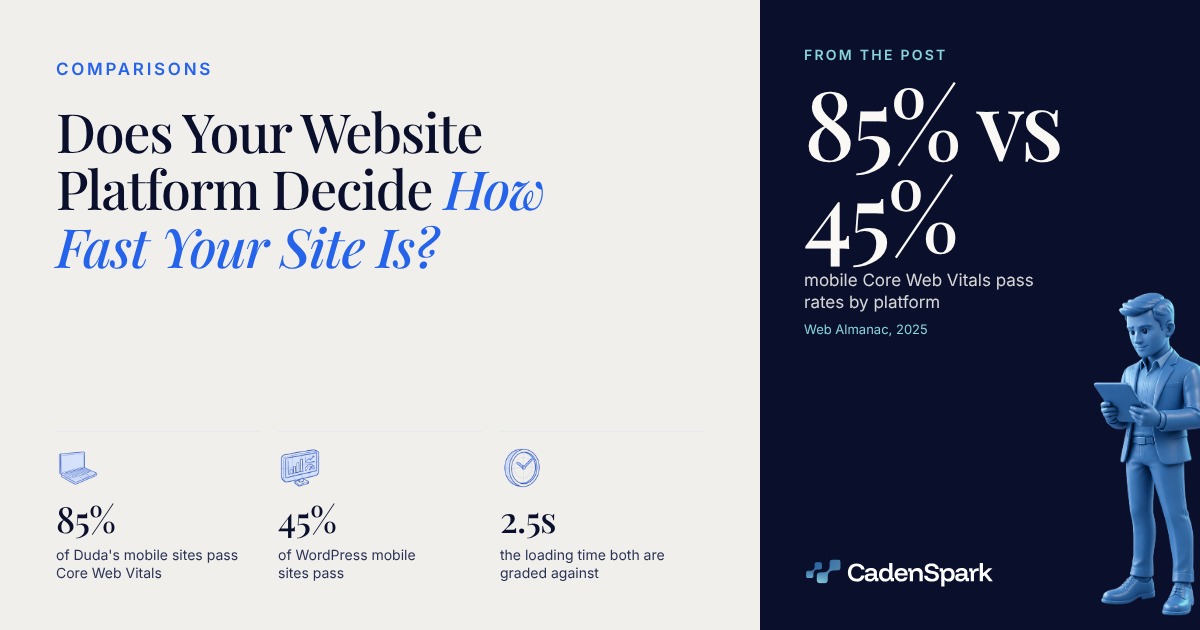
Read →Partly. On mobile, 45% to 85% of a platform’s sites pass Core Web Vitals, against 48% web-wide, and the spread inside a single platform is wider.
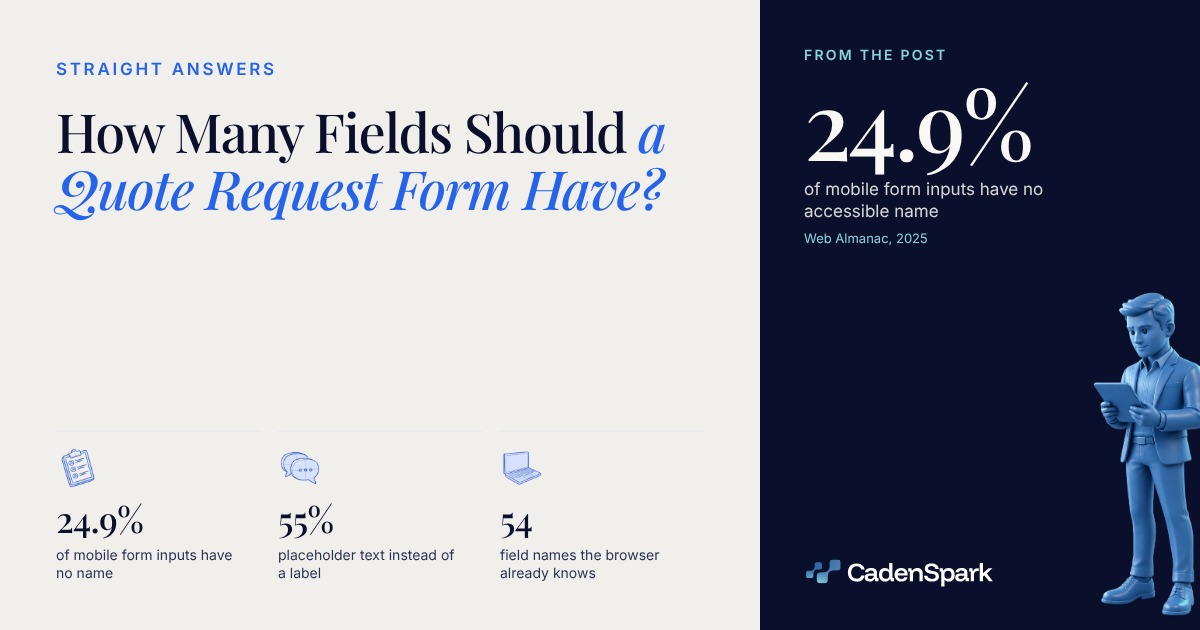
Read →No study ties field count to quote volume. What is measured: a quarter of mobile inputs have no accessible name, and the standard names 54 the browser can fill.
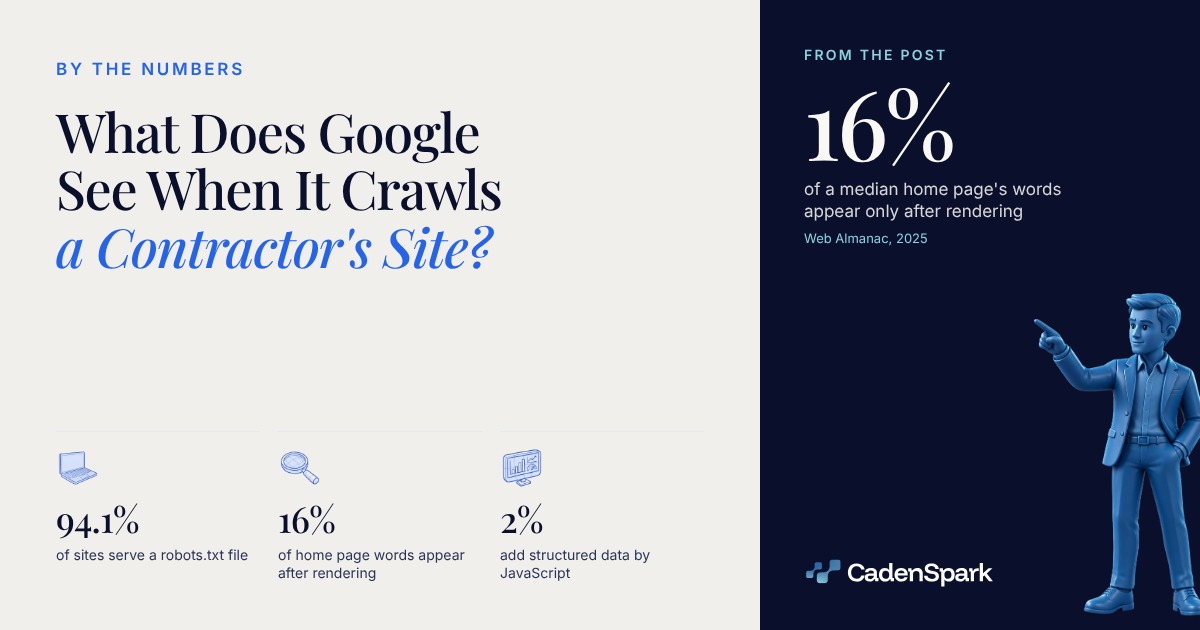
Read →Not your design. Google reads your HTML twice, before and after JavaScript, and on the median home page 16% of the visible words show up only after rendering.
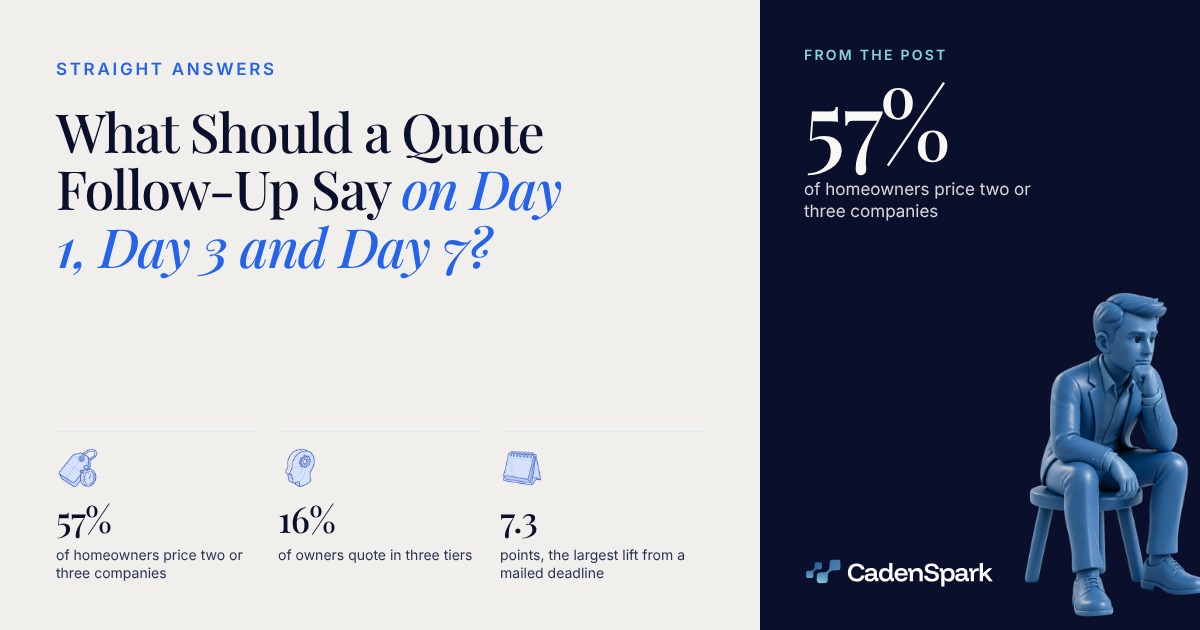
Read →Three messages, three jobs: day 1 restates the price and gives a time, day 3 asks one question, day 7 makes it easy to say no. The cadence is ours.
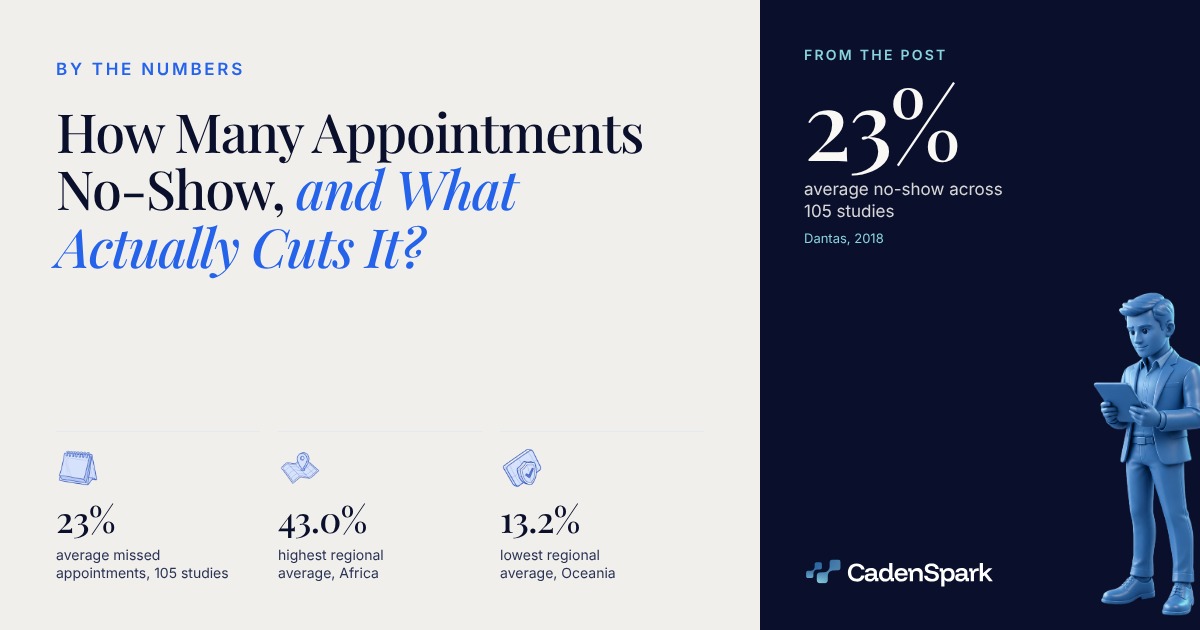
Read →No-show rates are measured in clinics, not in the trades. The average across 105 studies, the two causes that lead the list, and what reminders do.
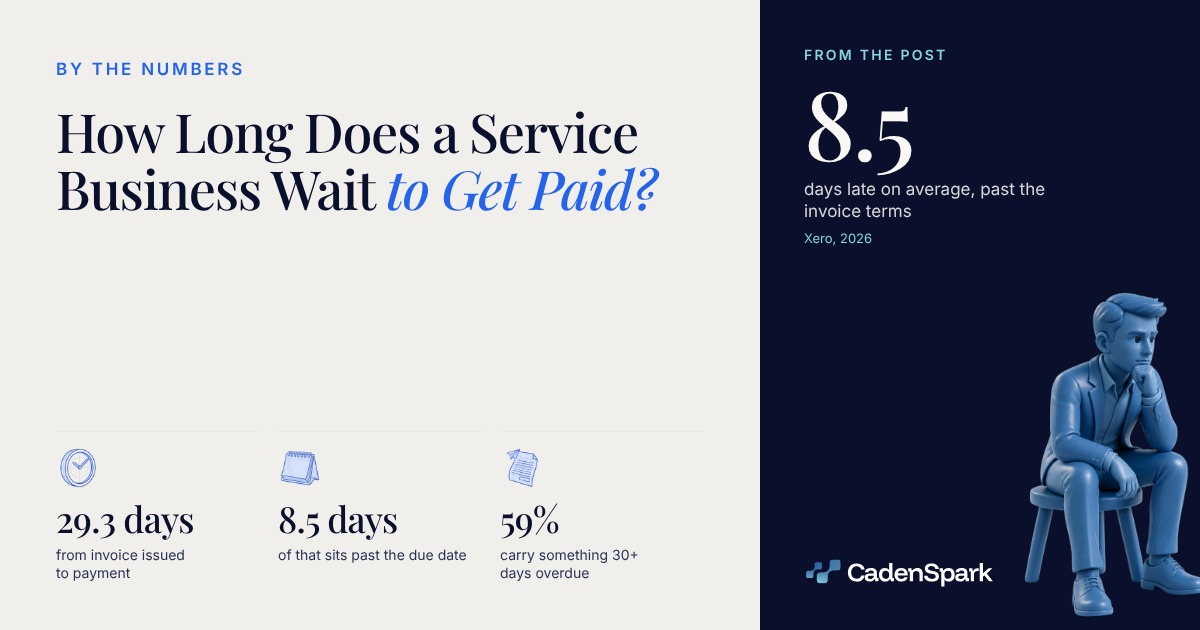
Read →Invoices get paid days after they are due, not the day you send them. What the invoice data shows, what the wait costs, and the levers that shorten it.
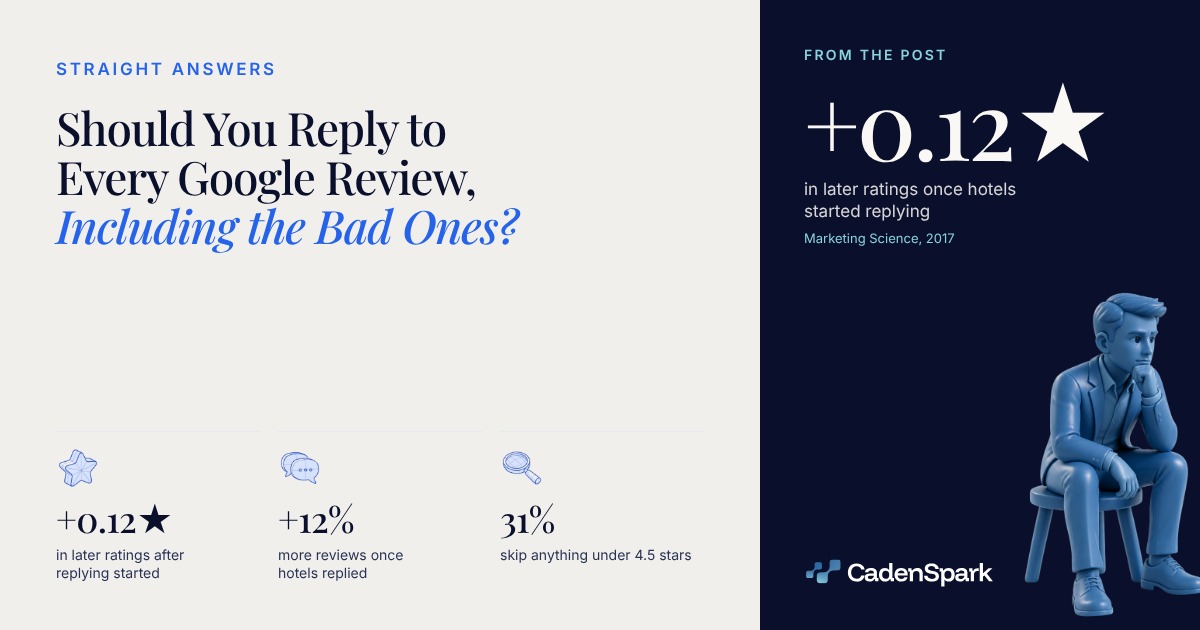
Read →Yes, and Google says so in its own help pages. What a reply changes, what Google will and will not remove, and the FTC rule on asking only happy customers.
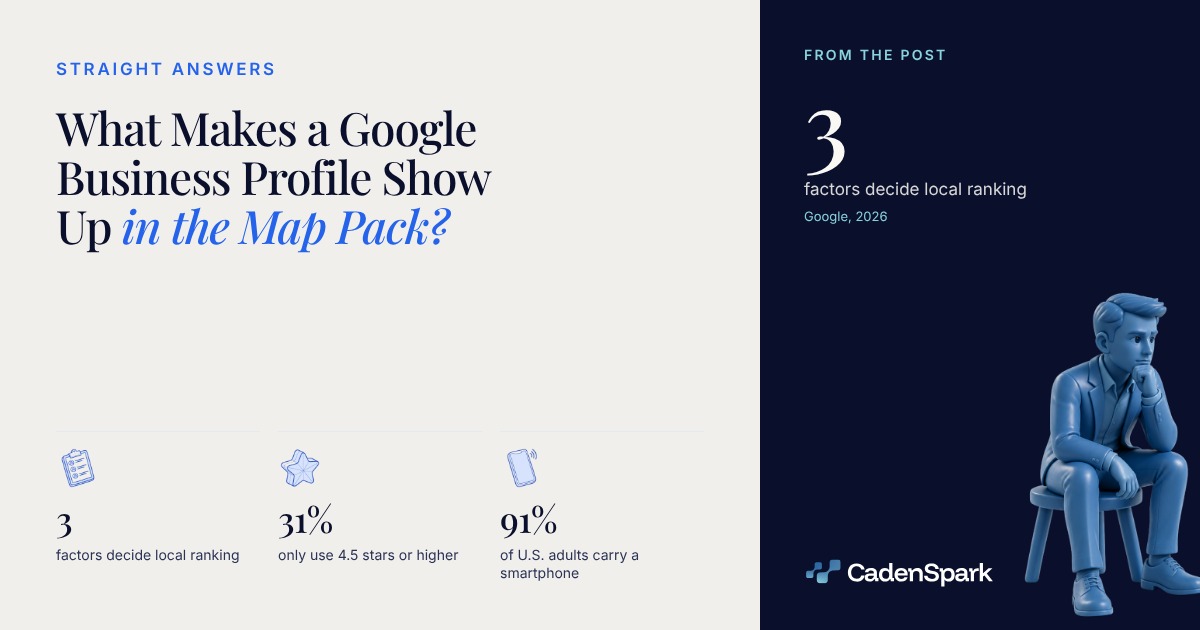
Read →Google names three factors behind the local pack: relevance, distance and prominence. What each one means, which one you control, and what is not for sale.
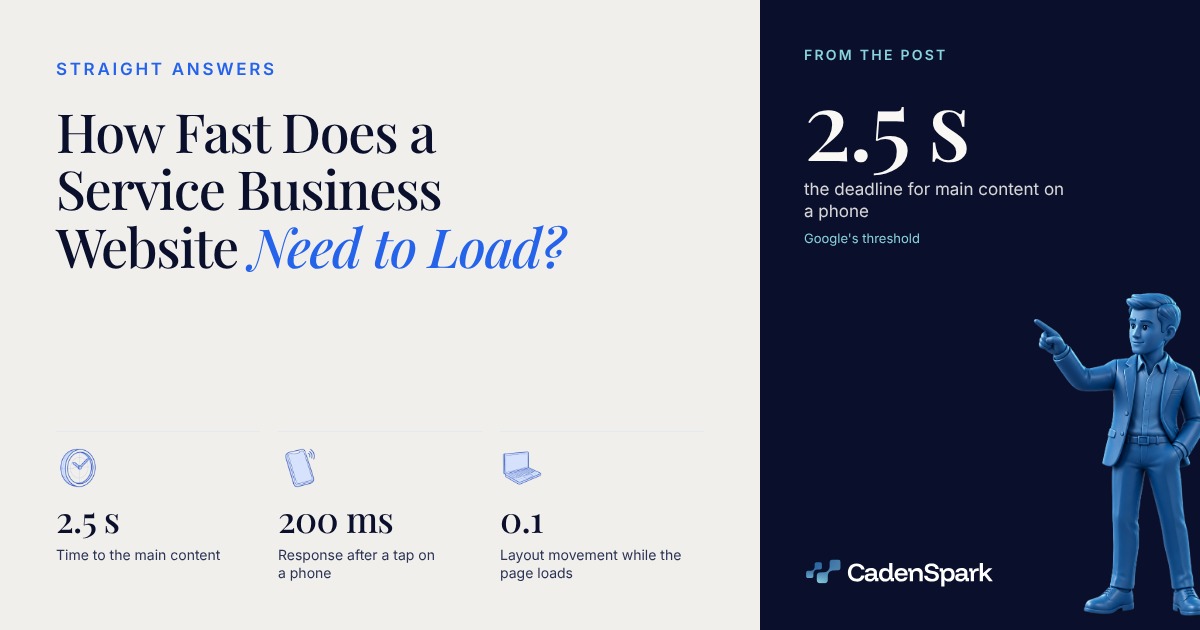
Read →Google’s bar is 2.5 seconds for main content on a phone, at the 75th percentile of real visits. The three thresholds, who clears them, what to fix first.
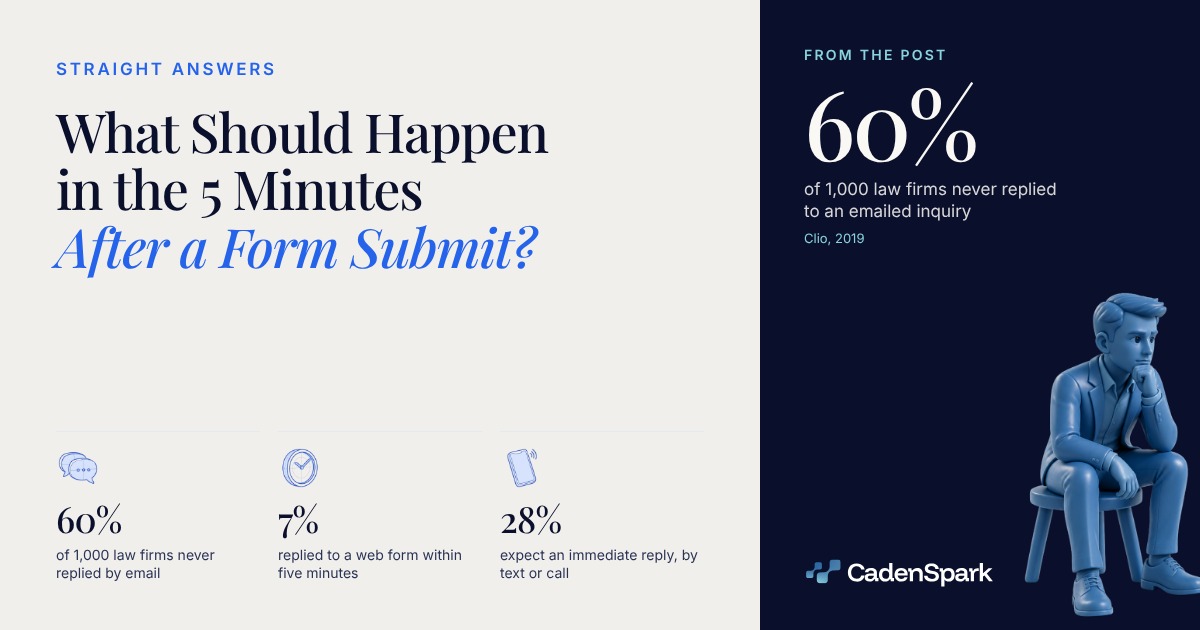
Read →Four things, in order: an automatic confirmation with a time, one named owner, a human call or text inside five minutes, and a record of all of it.
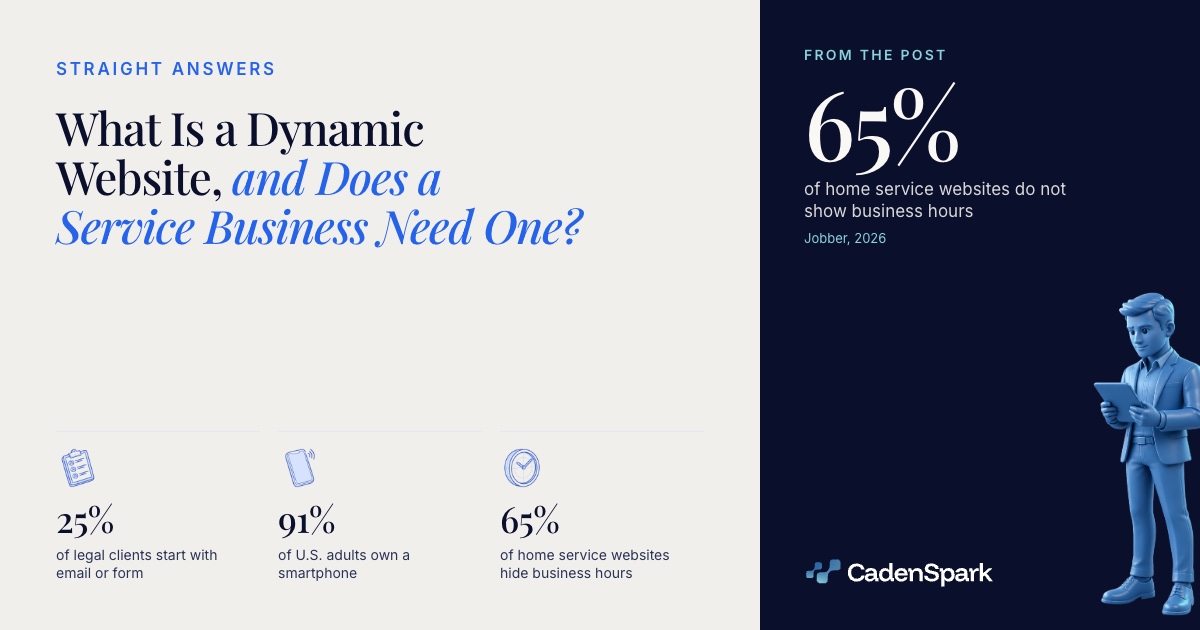
Read →A dynamic website builds part of each page from live data: prices, open slots, the CRM. A brochure site hands the lead off and waits. What that wait costs.
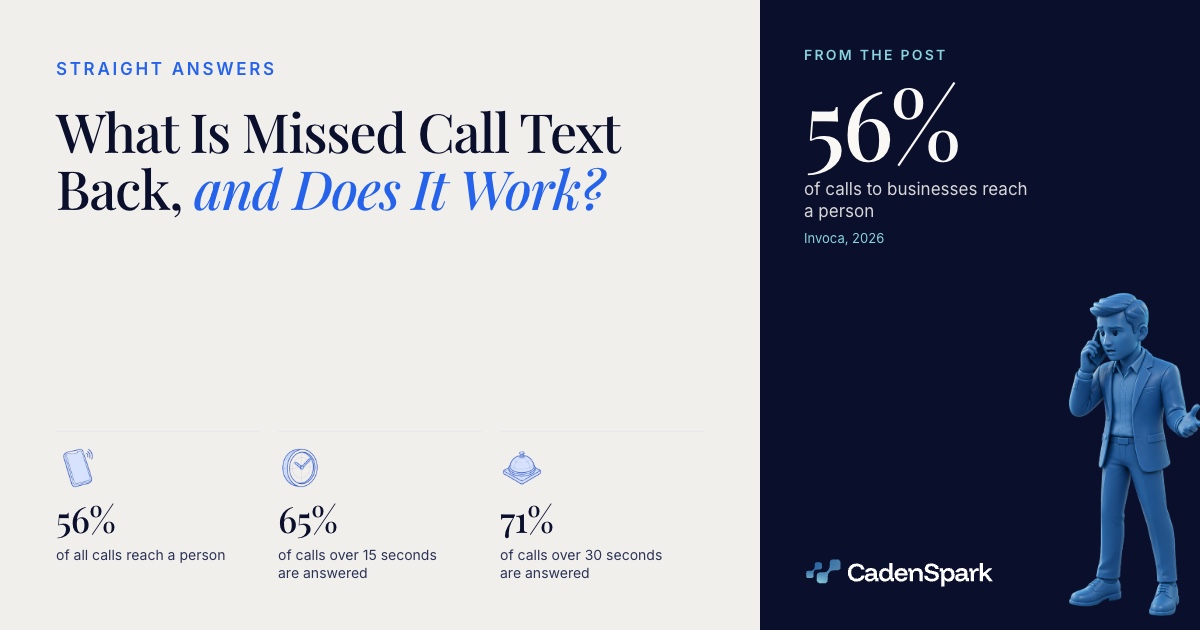
Read →Missed call text back sends an automatic text to a caller you did not answer. What it fixes, what it cannot, and what the data says about missed calls.
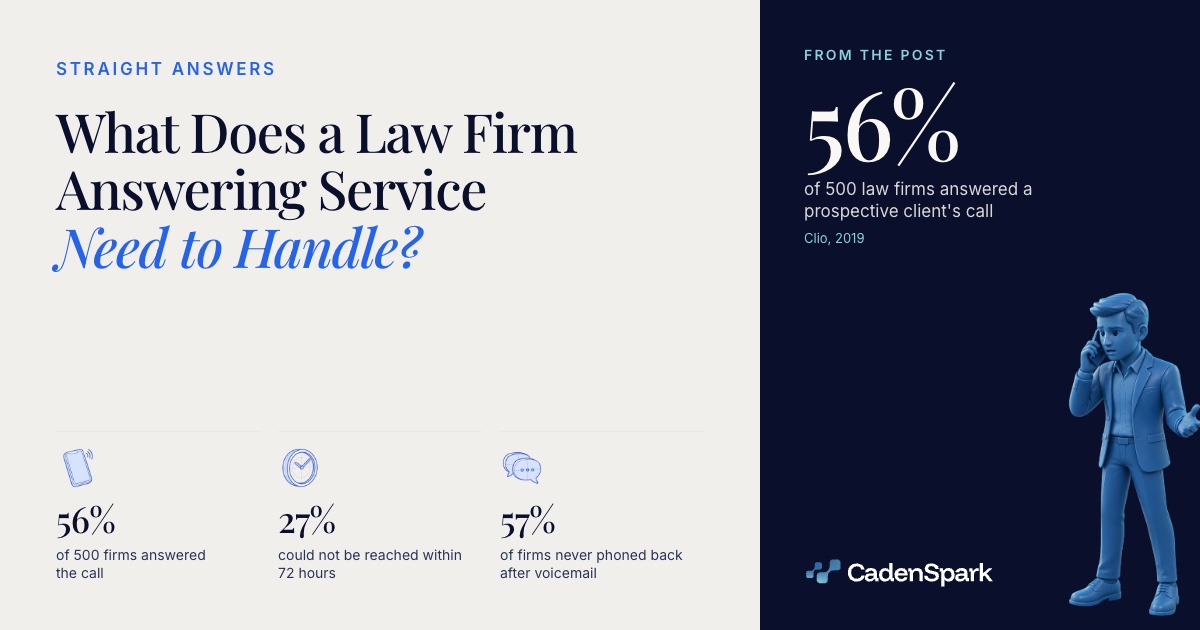
Read →Five jobs for a law firm answering service: pick up, screen without over-collecting, capture intake, set a next step, keep it confidential. The 2019 data.
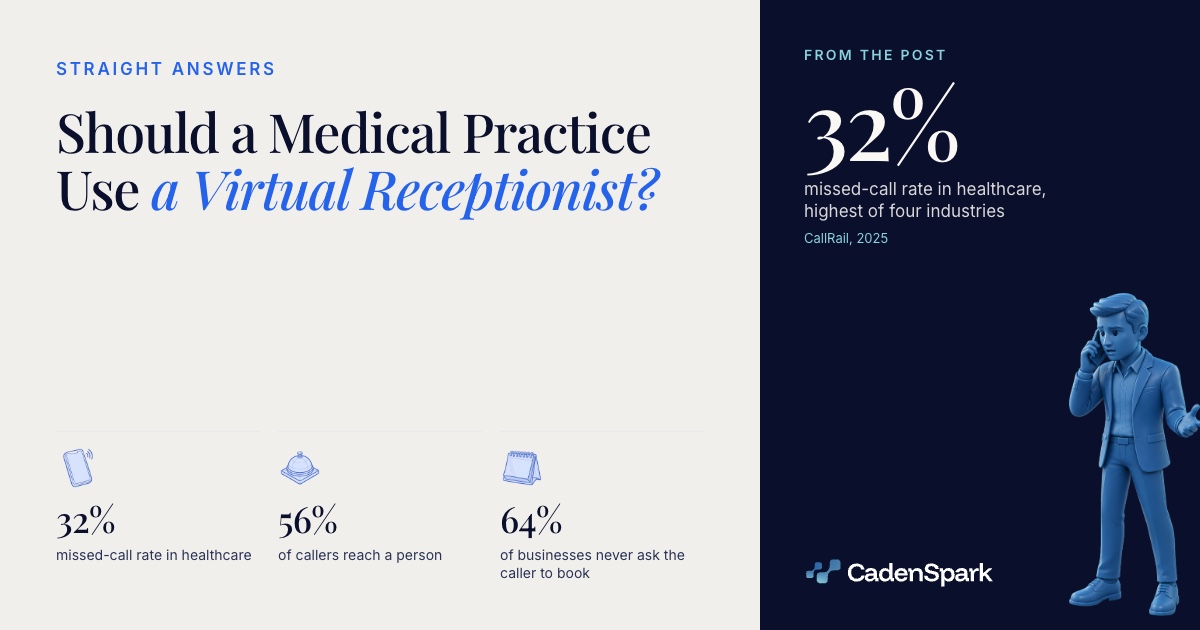
Read →Yes, if the vendor signs a BAA, the script books but never advises, and your call log shows a gap. Healthcare misses 32% of calls (CallRail, 2025).
Read →AI receptionist pricing from published pages, read October 1, 2026: $49 to $599 a month, what each plan actually meters, and the costs the sticker leaves out.
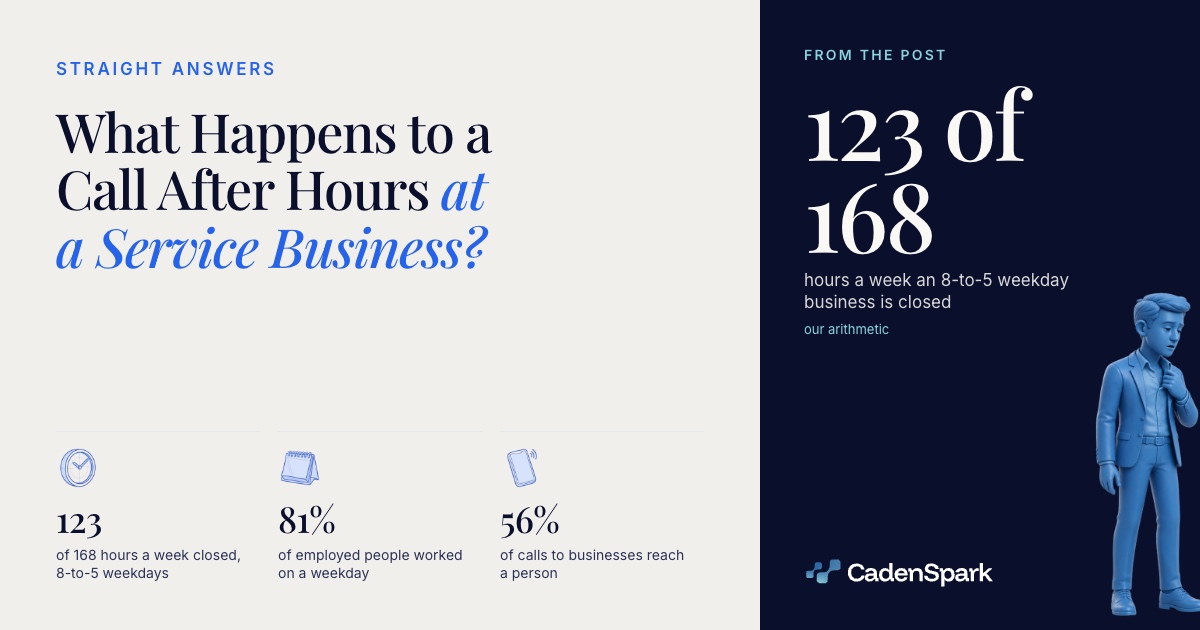
Read →A business open 8 to 5 on weekdays is closed 123 of 168 hours a week. The four paths a call takes in that window, what coverage costs, and what to check first.
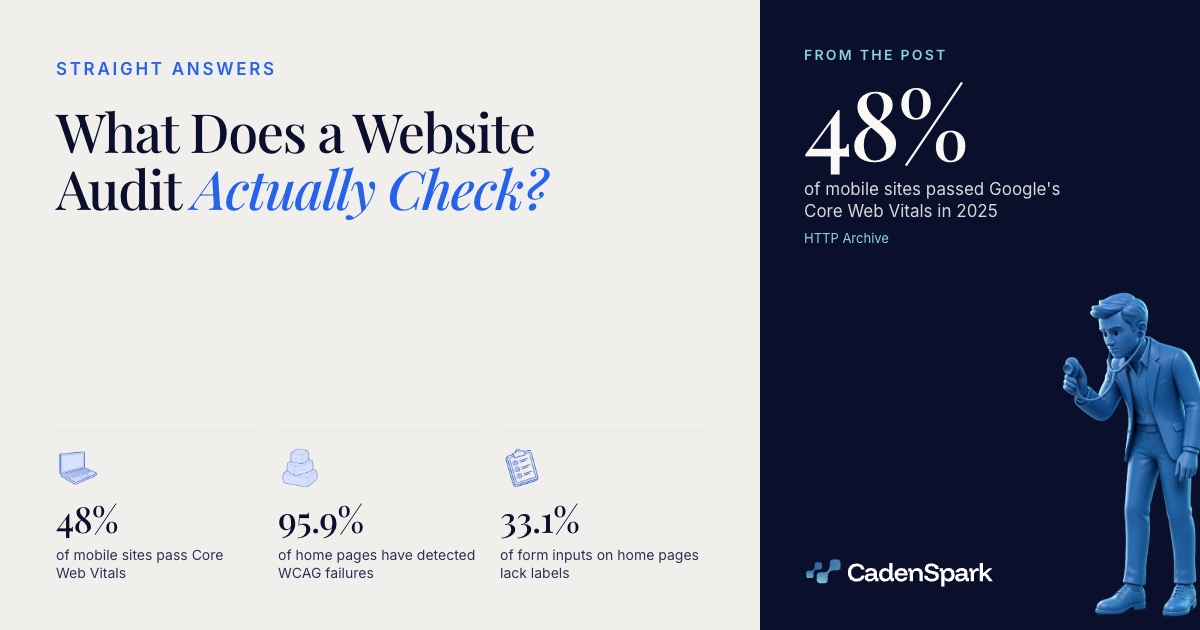
Read →What a website audit checks, layer by layer: what a crawler reads, what loads inside Google’s thresholds, what a visitor can use, and what follows the form.
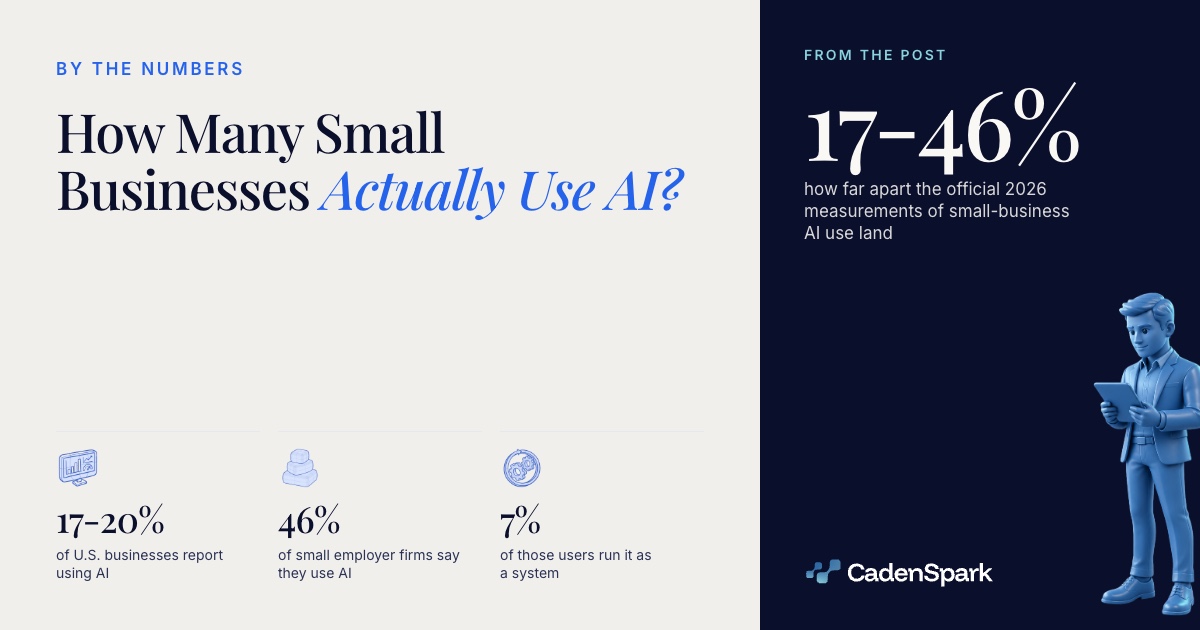
Read →Official 2026 surveys put small-business AI use anywhere from 17% to 46%, and only 7% of users call it fully integrated. What each number actually counts.
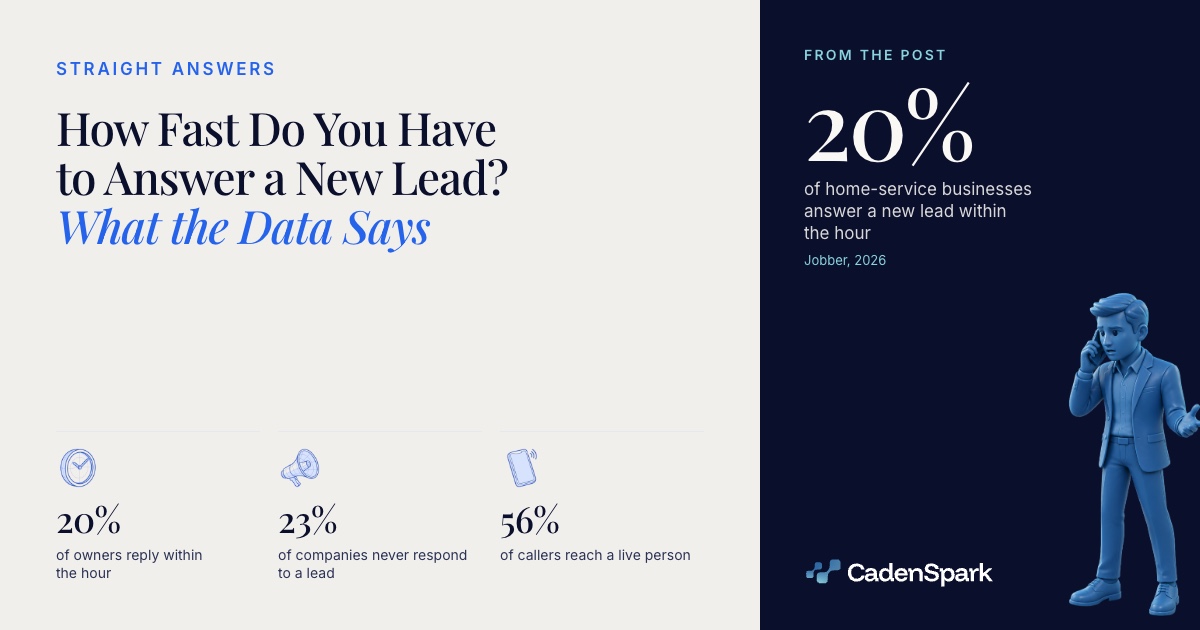
Read →How fast to respond to a new lead, with verified data: only 20% of businesses reply within the hour and 23% never reply at all. Showing up matters most.
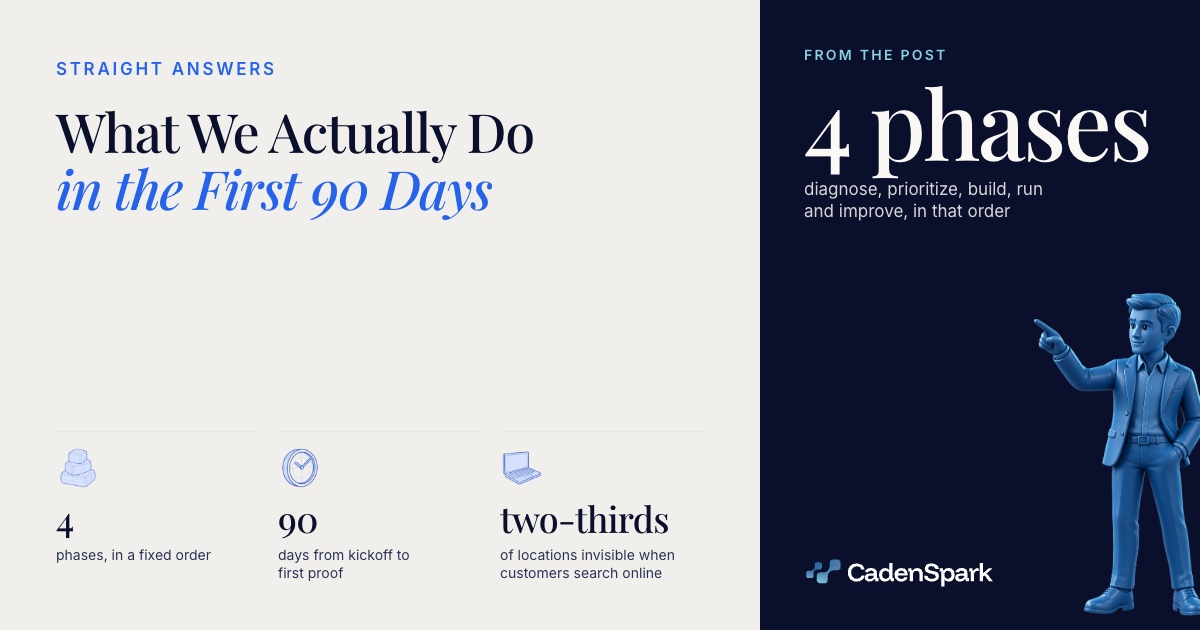
Read →The four phases of a real automation engagement, shown on an anonymized 90-day plan: diagnose, prioritize, build, then run and improve against a baseline.
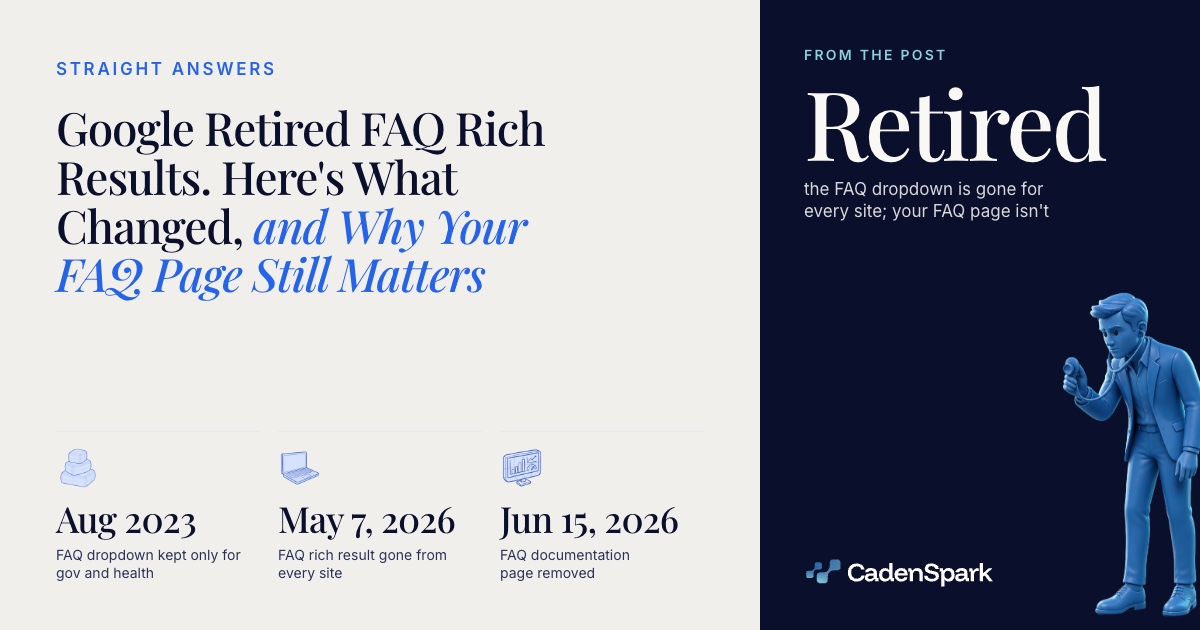
Read →Google retired FAQ rich results on May 7, 2026. What changed, whether to remove FAQPage schema, what it means for AI answers, and where answers still count.
Read →The five-item CTIA checklist an appointment confirmation text should hit, who the rules cover, and why a text the carrier filters never bounces back to you.
Read →Most business automation ends up on a shelf. The four-step way to avoid that: diagnose, prioritize, build on what already works, and run it against a number.
Read →What an AI receptionist does when the phone rings: answer, quote, book, follow up. Shown on one real bilingual call, with the call data behind it.
Read →An honest look at whether GoHighLevel fits a single-location business: the sub-account model, the metered wallet under the $97 list price, and the alternatives.
Read →Hiring a receptionist, an answering service, or an AI receptionist: cost shape, hours covered, booking, follow-up, Spanish, and what breaks first as calls grow.
Read →